
They maintain the right amounts of electrolytes and minerals, ensuring your body functions seamlessly. However, when experiencing discomfort after hydrating, it’s crucial to tune into those signals, as they might indicate something more serious at play. Understanding what really is behind alcohol-induced kidney disease is essential. Additionally, it can raise kidneys hurt after drinking blood pressure, which is another risk factor for kidney disease. Public health guidelines generally advise moderate alcohol consumption, which is up to one drink per day for women and up to two drinks per day for men. Exceeding these limits can raise blood pressure and strain your kidneys.
Preventing Kidney Damage from High Water Intake
Kidney damage treatment usually includes measures to help control symptoms and reduce complications. If your kidneys are severely damaged, you may require treatment for end-stage kidney disease. Liver disease makes you more likely to experience pain or discomfort after drinking alcohol. This is especially likely if you have alcoholism or engage in heavy drinking. Your kidneys have been faithfully serving your body, filtering toxins and maintaining balance even when faced with challenges. Now it’s time to return that loyalty by listening to what they’re telling you.
Diabetes and Kidney Complications
I found this process fascinating yet daunting at times; there’s so much technology available today that helps doctors pinpoint issues accurately. Working out too hard for too long can cause rhabdomyolysis, a condition in which damaged muscle tissue breaks down very fast. This dumps substances into your blood that can hurt your kidneys and make them fail. Build up your workouts gradually – don’t suddenly make them more intense. See your doctor if you have muscle pain and dark-colored pee.
- If the body does not pass the stone, a person can develop a severe infection or blockage.
- It’s always recommended to discuss dietary habits, including coffee consumption, with a healthcare provider, especially if there are concerns about kidney health.
- This condition impedes the proper functioning of the kidneys and bladder.
- If you suspect that your kidneys may be affected by your alcohol consumption, or you’re worried about a loved one’s alcohol intake, seeking help is crucial.
Underlying Kidney Conditions
Depending on the extent of dehydration, a healthcare professional may give youintravenous (IV) fluids as the most efficient means of helping you rehydrate. Renal function is compromised in cases of liver disease due drug addiction treatment to altered blood supply to the kidneys. Just as the symptoms and causes of kidney pain vary among individuals, complications from kidney pain will differ depending on the underlying causes. Early signs may include increased frequency of urination, especially at night, foamy urine, and swelling in the ankles and feet. These symptoms can be subtle, so regular check-ups with a doctor are crucial.

I have stabbing pain in https://ecosoberhouse.com/ my right flank and lower abdomen with mild discomfort after urination. I do not have any symptoms, but I have attached the results of my recent blood test. I just recently went for a blood test, and they said I was losing a lot of protein, but they are unable to say why.
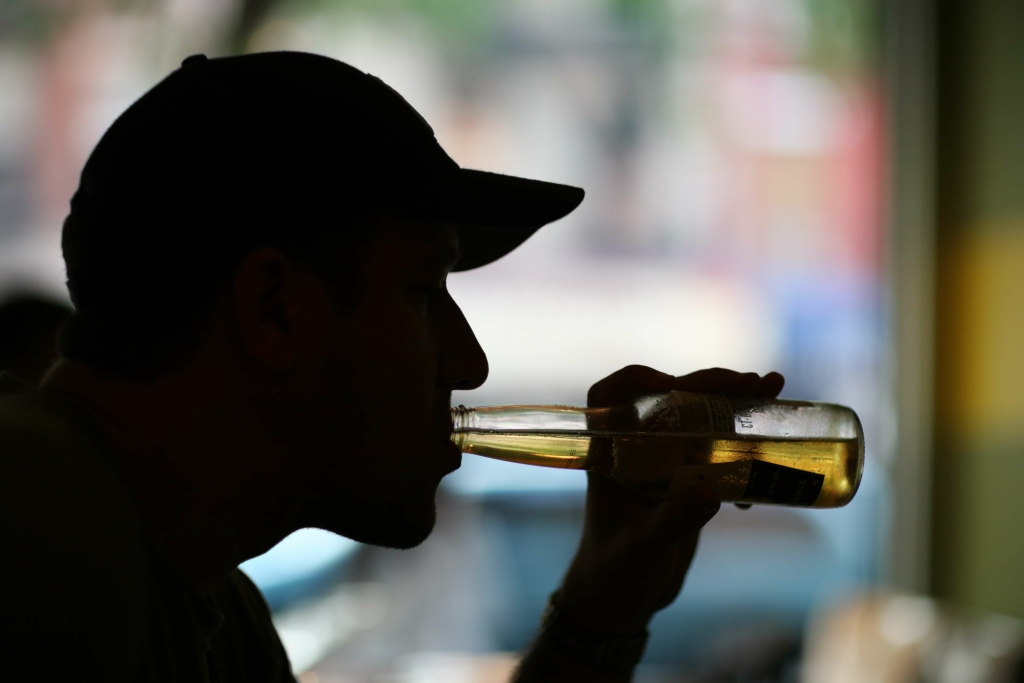
However, it is not always that simple, especially if you’ve been drinking heavily for several years now. Seek the help of professionals and join support groups, such as Alcoholics Anonymous, to understand it’s possible to stop drinking and bring your life back on track. They filter waste from your blood, regulate the balance of water and minerals in your body and produce hormones. Depending on the extent of dehydration, a healthcare professional may give you intravenous (IV) fluids as the most efficient means of helping you rehydrate. Antibiotics are a standard treatment option if you’re experiencing pain due to an infection, such as a urinary tract infection.
While staying hydrated is essential for health, drinking too much water can overwhelm the kidneys’ ability to process it. This condition, known as water intoxication or hyponatremia, occurs when there is an imbalance of sodium in the body due to excessive water intake. The kidneys may struggle to excrete the excess fluid, leading to swelling, low blood sodium levels, and, in severe cases, kidney damage. It’s important to drink an adequate amount of water based on your body’s needs, which vary depending on activity level, climate, and overall health. Furthermore, alcohol can exacerbate discomfort if underlying kidney issues are present. For instance, alcohol-induced dehydration can worsen symptoms for individuals with kidney stones, potentially causing them to move and intensify pain.
Alcohol and Kidney Health: How Drinking Impacts the Kidneys
- It’s also wise to consult with a healthcare professional who can provide personalized advice based on your specific health needs.
- Then, schedule an appointment with a healthcare provider who can order the right tests and help you track your recovery.
- If you suspect kidney impairment or have difficulty controlling alcohol intake, seek professional medical help immediately.
- However, if one does not compensate for fluid loss by drinking enough water, dehydration may occur, leading to kidney strain and discomfort.
Heavy alcohol use may exacerbate or worsen inflammatory responses in the kidneys, making the development of glomerulonephritis more likely. Chronic inflammation can hamper the kidney’s filtration capacity, sometimes leading to permanent kidney damage and progressing to chronic kidney disease. Our kidneys are part of the system known as the urinary tract, which also includes our bladders and ureters. Kidney health is essential for filtering toxins and waste out of our blood and transferring those substances to our urine for elimination from the body. The kidneys also keep our electrolyte and fluid levels balanced, and they are directly impacted by the excessive intake of alcohol. Supporting kidney health, especially with alcohol consumption, involves mindful habits.
Alcohol’s Short-Term Effects on Kidneys
Even moderate or occasional drinking can have immediate effects on your kidneys. These short-term effects may not seem alarming at first, but they can pave the way for more serious issues if they become habitual. This is the area at the back of your abdomen, under your rib cage on both sides of your spine.
Acute Kidney Injury
For more on how habits like drinking affect your kidneys, explore our expert-backed blogs. If you already have diabetes, alcohol can interfere with insulin sensitivity and cause dangerous swings in glucose levels. Over time, high blood sugar levels damage the small blood vessels in the kidneys, leading to CKD. These bean-shaped organs are the body’s natural filtration system, working 24/7 to eliminate toxins, balance electrolytes, and regulate blood pressure. Yet alcohol, especially when consumed heavily or frequently, can silently sabotage these vital functions.