
Whoa! Here’s the thing. Rabby shows up in conversations with DeFi folks a lot. At first glance it’s just another browser extension wallet for Ethereum and EVM chains, but that first impression missed some practical stuff I care about. Initially I thought it was just a UI tweak over other wallets, but then I spent time poking around and realized it tries to solve real day-to-day annoyances—though it’s not perfect, and I’m not 100% sure about every feature.
Okay, quick context. I build and test Web3 tooling. Seriously? Yes. My instinct said I should try Rabby like I try everything new—cautiously and with a throwaway account. I ended up using it alongside a hardware wallet for a week. Something felt off about the first setup flow, but the transaction protection features won me over eventually. On one hand the UX is cleaner than many extension wallets; on the other hand some settings are a bit hidden, which bugs me.
Why browser extension wallets still matter
Browser extension wallets are the fastest way to interact with DeFi. They let you approve swaps, sign permits, and connect to dapps without constant context switching. But speed comes with trade-offs—phishing popups, rogue approvals, and accidental token approvals are real hazards. My instinct says: keep the extension lean and pair it with hardware keys when you can. Actually, wait—let me rephrase that: use a browser extension for convenience, but treat it like a bridge, not the vault.
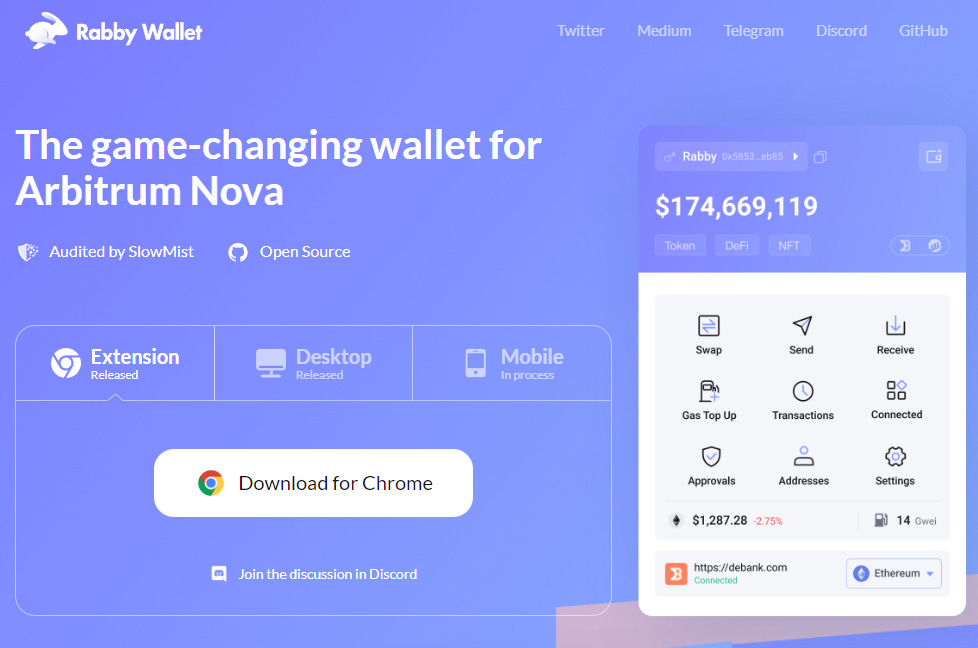
Rabby aims to sit between convenience and safety. At a practical level I noticed a few things that stood out: clearer transaction details, built-in approval management, and a way to group accounts that makes juggling multiple identities less chaotic. On the flip side, somethin’ about the permissions dialog felt slightly wordy, which can be good or bad depending on how nerdy you are. If you’re coming from other popular wallets, there’s a small adjustment period.
How Rabby approaches security (and my honest take)
Wow! They surface more transaction metadata than many other wallets. That helps because seeing the raw calldata or gas breakdown matters when the stakes are high. Initially I thought extra metadata would overwhelm users, though actually it served as a quick sanity check for me during high-value actions. On one hand, people want simplicity; on the other hand, that simplicity can hide risky approvals and approvals for contracts that can drain tokens—Rabby nudges you toward more informed decisions.
I’m biased toward hardware keys. Still, Rabby’s compatibility with Ledger and similar devices makes it useful as a daily driver paired with a cold key. I’m not claiming it’s impenetrable. No extension is. What it does do is give better guardrails: more explicit approval controls, a clearer history of allowances, and options to revoke approvals without digging into a block explorer. That said, I tripped up once by approving a spender I didn’t fully vet—my mistake, not the wallet’s—so the human element still matters.
Download and install—what to watch for
Hmm… people often ask where to download Rabby. The safest move is to fetch it from the official source or verified stores and double-check extension IDs and reviews. If you want to check a convenient place that points to the extension and basics about setup, see https://sites.google.com/cryptowalletextensionus.com/rabby-wallet-download/. Do a quick sanity check: confirm the publisher, read a few recent reviews, and prefer official channels over random links in Telegram or Twitter DMs.
Install with caution. Seriously? Yes. When you create a new wallet, write down the seed phrase offline and never, ever paste it into a website. Keep your recovery phrase off your phone camera roll. Use a hardware wallet for large balances. Also, review permissions on first connect; many approvals are for unlimited token allowances, which is convenient but risky. I know—revoking allowances is annoying, but very very important.
Daily workflow tips I use (and you might too)
Short checklist. Lock your browser when away. Use separate browser profiles for different on-chain roles. I often keep one profile for high-risk interactions and another for safe reading and research. This split reduces accidental approvals and keeps phishing risks compartmentalized. It sounds like overkill; then again, one bad click can ruin a month.
Rabby’s account grouping is handy when you want to separate testnets, hot wallets, and hardware accounts. Honestly, that part saved me time the week I was switching networks constantly. But there are rough edges—some UI flows assume you know DeFi jargon, which can trip newer users. I’m not 100% sure the onboarding explains every nuanced tradeoff, so give yourself a few experimental transactions with tiny amounts before committing real funds.
Common gotchas and how to avoid them
Whoa! Phishing is still the top threat. Bad links, fake contract approval popups, and cloned sites are everywhere. My rule: if a dapp asks for a signature that doesn’t match the action you’re taking, don’t sign it. On one hand that sounds obvious; on the other hand, deceptive popups can be very convincing. Keep antivirus up to date and consider a script-blocker if you’re browsing aggressively.
Also watch allowance approvals. Many dapps request unlimited approvals to streamline UX, but that opens a long-lived attack vector. Regularly revoke allowances that you don’t use. Use small test transactions for new dapps—500 or 1,000 gwei worth of tokens if you want to be dramatic, but more realistically, small USD amounts. This method saved me from a sloppy phishing swap once, true story.
FAQ
Is Rabby Wallet safe for beginners?
Short answer: cautiously useful. It has helpful safety features, but beginners still need to learn basic hygiene—seed phrase safety, checking approvals, and preferring hardware keys for significant funds. Start small and learn by doing.
Can I use Rabby with Ledger?
Yes, Rabby supports hardware wallets like Ledger. Pairing a hardware device with a browser extension gives you convenience without exposing your private keys to the browser, which is a sweet spot for many users.
Where should I download Rabby?
Use official stores or the verified page I linked above, and double-check the extension publisher. If something looks off—bad reviews, strange permissions, or odd publisher names—don’t install it. Trust your gut.
Okay, final thought—I’m biased, but Rabby feels like a pragmatic improvement in the browser wallet space. It nudges you toward safer defaults and gives enough tools for power users without being totally hostile to newcomers. That said, no extension replaces discipline and good practices. Keep backups. Keep your keys offline when possible. And yeah—sometimes I still forget a revoke and curse at my screen, but that’s part of the game…